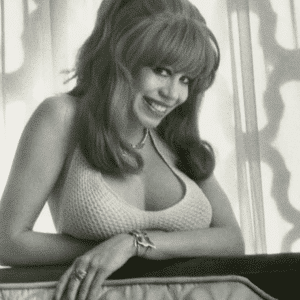
Have you ever heard of a performer so captivating that an entire city paused just to watch her move? In the golden haze of 1950s New Orleans, one name echoed through jazz clubs and Bourbon Street doorways—Lilly Christine.
She wasn’t merely a dancer. She was a phenomenon.
With shimmering costumes, feline grace, and eyes that seemed to hold secrets, Lilly didn’t just take the stage—she transformed it. Audiences didn’t simply applaud. They surrendered. Beneath the sequins and spotlight, however, lay a story woven from ambition, reinvention, and quiet resilience.
Let’s step back in time and uncover the legend of “The Cat Girl.”
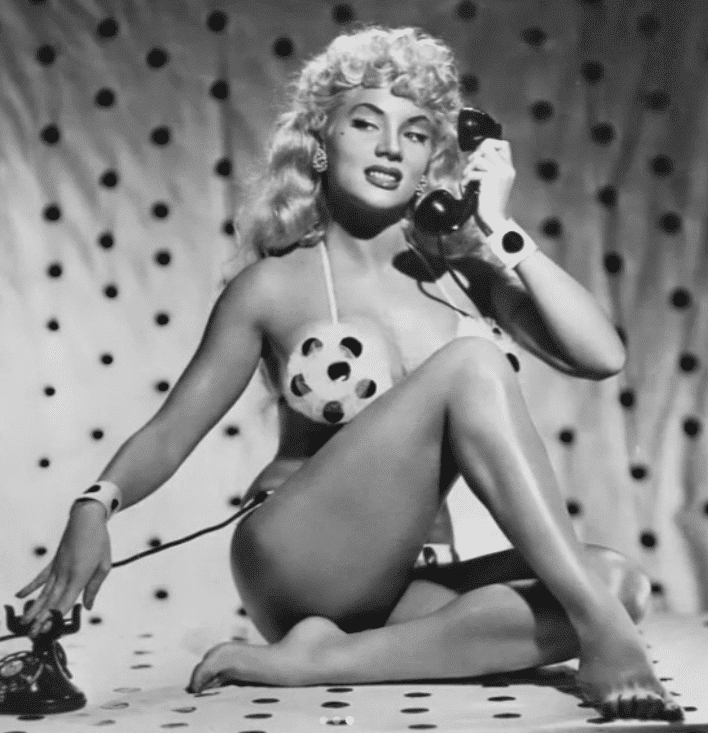
From Martha to Lilly: Reinvention in Motion
A Small-Town Beginning
Lilly Christine entered the world as Martha Theresa Pompender on December 17, 1923, in Dunkirk, New York. Her upbringing was modest, steady, and far removed from neon lights or late-night jazz.
But some people are born with a pulse that doesn’t match their surroundings.
Martha had that spark—the kind that flickers quietly until it finds oxygen.
The Birth of an Iconic Persona
In her twenties, she made a bold decision. She shed her birth name like a winter coat and stepped into a new identity—Lilly Christine.
The name carried rhythm. Mystery. Intrigue.
She left the chill of upstate New York for the warm, electric air of New Orleans. And that move changed everything.
Because New Orleans wasn’t just a city—it was a stage waiting for her entrance.
The Night Bourbon Street Held Its Breath
Leon Prima’s 500 Club: A Legendary Debut
In 1948, Lilly made her defining debut at Leon Prima’s 500 Club on Bourbon Street.
The lights dimmed. The music began.
Then she appeared.
Barefoot. Blonde. Radiating confidence.
She moved with a slow, deliberate intensity—like a cat circling its territory. Her signature performance, known as “The Cat Dance,” blurred the line between choreography and storytelling. Each gesture held tension. Each pause carried meaning.
It wasn’t about revealing everything. It was about suggestion. About power held just out of reach.
Locals often claimed that the buzz of the city softened during her performances, as if New Orleans itself leaned closer to watch.
A Style Unlike Any Other
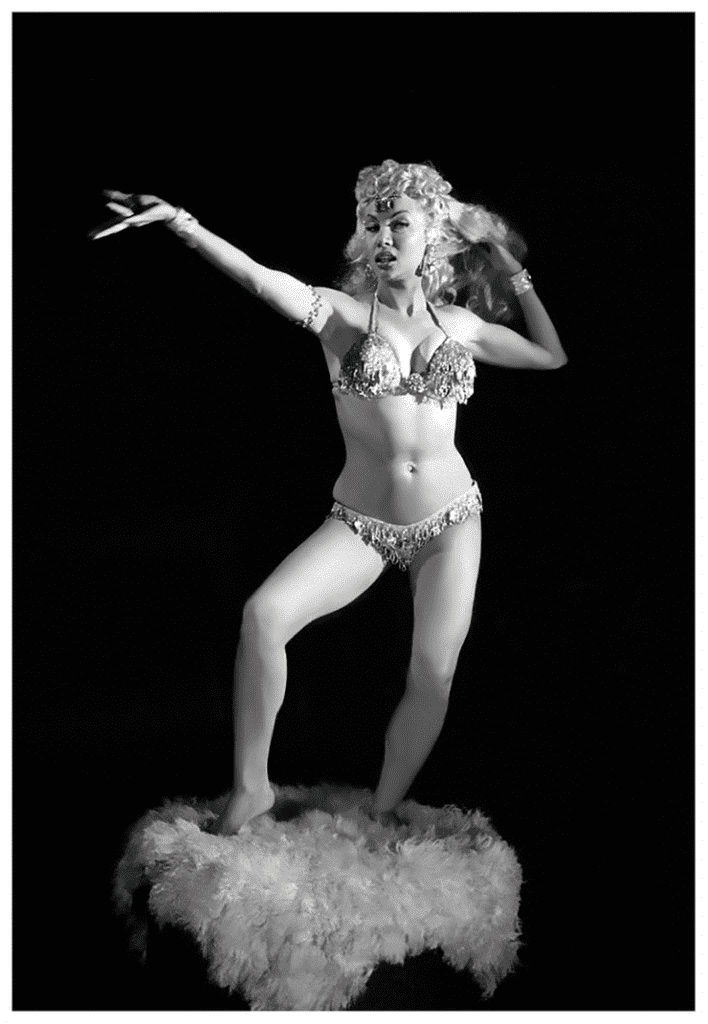
Her routines—such as “Voodoo Love Potion Dance” and “Harem Heat”—combined theatrical flair with rhythmic elegance. She fused elements of belly dance, jazz influence, and dramatic pacing.
Lilly understood tempo the way a jazz musician understands improvisation. She built anticipation. She slowed the moment. She controlled the room.
And control, in performance, is everything.
The Signature Look That Defined an Era
An Image That Became Iconic
Peroxide-blonde hair cascading down her shoulders. Skin illuminated under amber stage lights. A knowing half-smile that felt both playful and untouchable.
Her image became inseparable from 1950s burlesque culture.
Newspapers called her one of New Orleans’ most breathtaking attractions. Audiences simply called her unforgettable.
But what made her stand apart wasn’t just appearance—it was confidence. She didn’t seek approval. She commanded attention.
In a decade that often boxed women into predictable roles, Lilly carved her own silhouette.
Hollywood Dreams and Broadway Lights
Silver Screen Appearances
After conquering Bourbon Street, Hollywood noticed.
Lilly appeared in films such as Two Guys from Texas, Irish Eyes Are Smiling, and My Wild Irish Rose. Though her roles were small and uncredited, her screen presence lingered.
She shimmered in the background like a secret waiting to be discovered.
Broadway’s Embrace
From 1950 to 1951, she joined Michael Todd’s Peep Show at the Winter Garden Theatre in New York. Her “Cat Dance” captivated Broadway audiences just as it had in Louisiana.
For a woman from a quiet New York town, the journey was remarkable.
She stood on some of the biggest stages in America—and owned them.
Yet fame is a complex companion. It elevates. It isolates. It dazzles—and then it shifts.
Behind the Curtain: The Woman Beyond the Spotlight
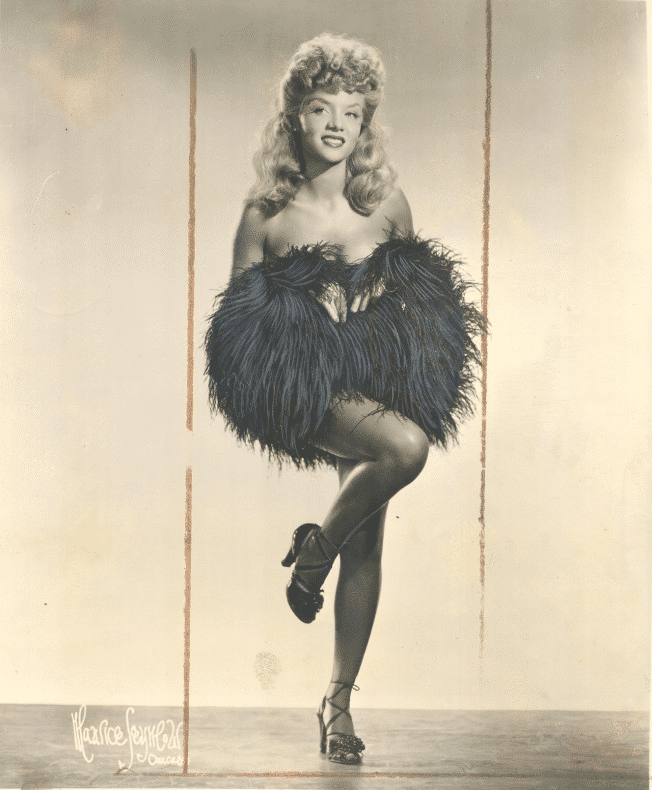
Strength Beneath the Glamour
While the world saw sequins and applause, Lilly lived a more private story.
Life in entertainment can feel like living under a constant spotlight. Nights blur into mornings. Cheers dissolve into silence.
Friends described her as warm but reserved. She could electrify a crowd yet guard her inner world carefully.
There were professional highs, personal setbacks, and quiet challenges that never made headlines.
Still, she performed. She adapted. She persisted.
And perhaps that’s what defines true artistry—the ability to turn uncertainty into performance.
The Final Years and Lasting Echo
A Changing Era
By the early 1960s, the golden age of burlesque had begun to shift. Cultural tastes evolved. New forms of entertainment emerged.
But Lilly kept dancing.
She toured southern nightclubs, continuing to draw audiences who remembered the magic.
On January 9, 1965, at just 41 years old, Lilly Christine passed away from peritonitis in Fort Lauderdale, Florida.
Her farewell was quiet.
Yet legends rarely fade completely.
They linger—in photographs, in archived programs, in the subtle influence they leave behind.
The Legacy of The Cat Girl
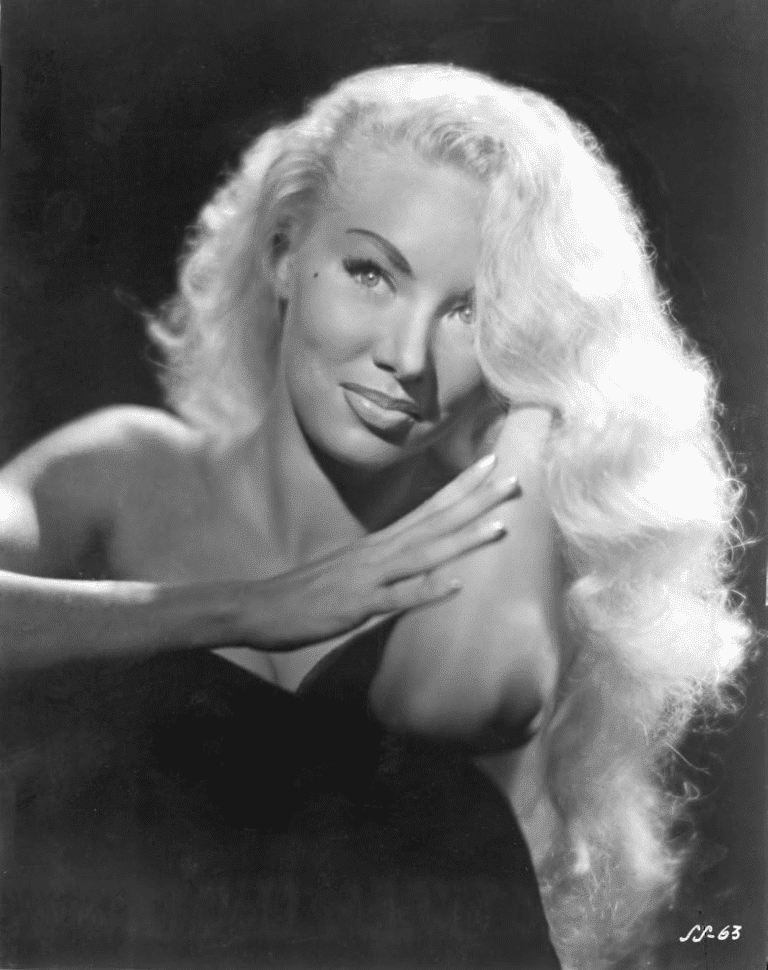
Influence on Modern Burlesque
Today, burlesque has experienced a revival. And with it, Lilly Christine’s spirit prowls again.
Modern performers study her pacing, her poise, her ability to captivate without excess. She demonstrated that allure is less about exposure and more about imagination.
She transformed performance into storytelling.
She proved that suggestion can be more powerful than spectacle.
Why She Still Matters
So why does Lilly Christine remain relevant decades later?
Because she embodied ownership.
She chose reinvention over limitation. She embraced artistry over expectation. She walked onto stages that were not designed for women to dominate—and dominated anyway.
She was grace and grit intertwined.
And that combination never goes out of style.
Conclusion: The Flame That Still Flickers
Lilly Christine didn’t just dance—she altered perception. From Dunkirk to Bourbon Street to Broadway, she carved a path that blended mystery, mastery, and courage.
She showed that performance is more than movement—it’s narrative. It’s intention. It’s identity.
Her life reminds us that reinvention requires boldness. That magnetism comes from confidence. And that legacy isn’t measured solely by headlines—but by influence.
Some performers entertain. Others transform.
Lilly Christine transformed.
And somewhere, in the echo of distant jazz or the hush before a curtain rises, her spirit still moves—graceful, daring, unforgettable.