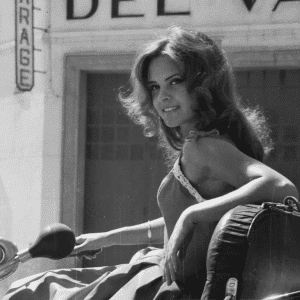
Her beauty was unmatched. Her smile felt like a promise. And her presence? It lit up every room. Marilyn Monroe didn’t just define Hollywood’s golden era — she reshaped it. Yet behind that radiant glow lived a woman carrying heartbreaks, insecurities, and whispers that followed her far beyond the spotlight. This isn’t just the story of a star. It’s the story of a woman who lived, loved, and struggled under the world’s brightest light.
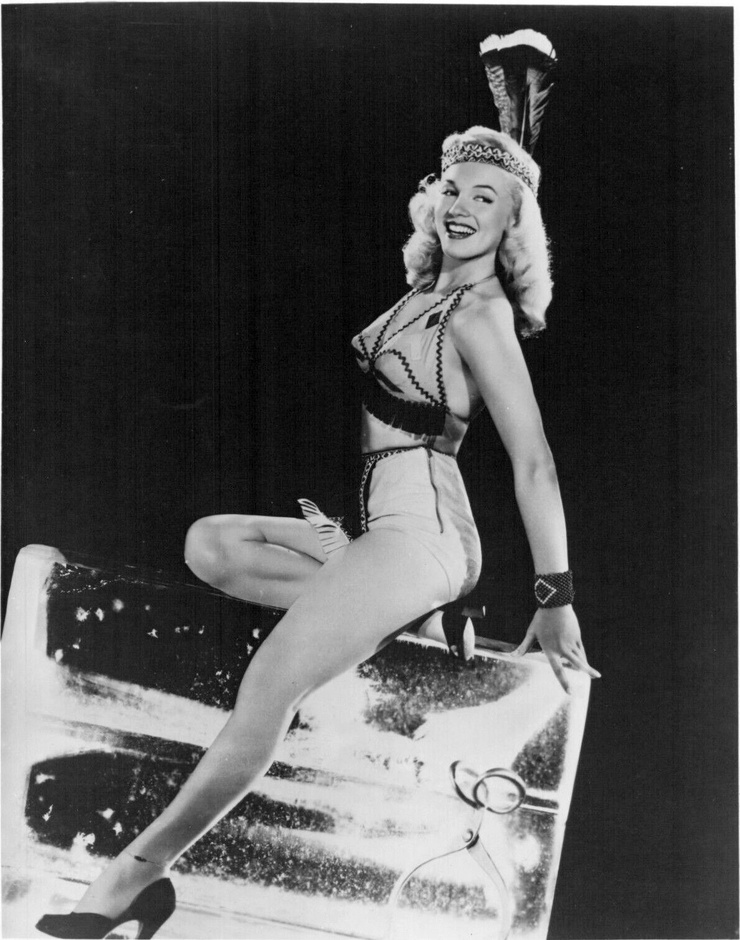
From Norma Jeane to Marilyn: A Childhood Forged in Struggle
Before the world knew the platinum-blonde icon, there was Norma Jeane Mortenson, born on June 1, 1926, in Los Angeles. Her early years were shaped by instability — an absent father, a mother battling mental illness, and a childhood spent drifting between foster homes and orphanages. Love felt temporary. Safety felt uncertain. And that hunger for belonging never truly left her.
At sixteen, facing a return to the orphanage system, she made a choice rooted in survival rather than romance. She married her neighbor, James Dougherty, in 1942. While he served overseas, she worked long shifts in a munitions factory. Then fate intervened quietly. A photographer noticed her. A camera clicked. And the direction of her life changed forever.
By 1946, Norma Jeane faded into memory. Marilyn Monroe was born — a new name, a new image, and a new dream. She signed with Twentieth Century Fox, transformed her look, and set her sights on becoming unforgettable.
Hollywood’s Golden Girl and a Rise That Changed the Industry
Marilyn’s rise in Hollywood wasn’t instant magic. It was a slow burn. Small roles in films like The Asphalt Jungle and All About Eve hinted at her presence, but her breakthrough arrived with Niagara in 1953. On screen, she blended innocence with intensity in a way audiences couldn’t look away from.
That same year, Gentlemen Prefer Blondes turned her into a cultural force. Her performance of “Diamonds Are a Girl’s Best Friend” became legendary. Then came The Seven Year Itch and the iconic white-dress moment that sealed her status as America’s most recognizable symbol of glamour.
Yet Marilyn wanted more than admiration. She wanted respect. Determined to be taken seriously, she studied acting at the Actors Studio in New York. Her performances in Bus Stop and Some Like It Hot revealed depth, timing, and emotional intelligence. Beneath the sparkle, she was fighting for dignity in an industry that preferred her silent and smiling.
Love, Fame, and the Relationships That Shaped Her
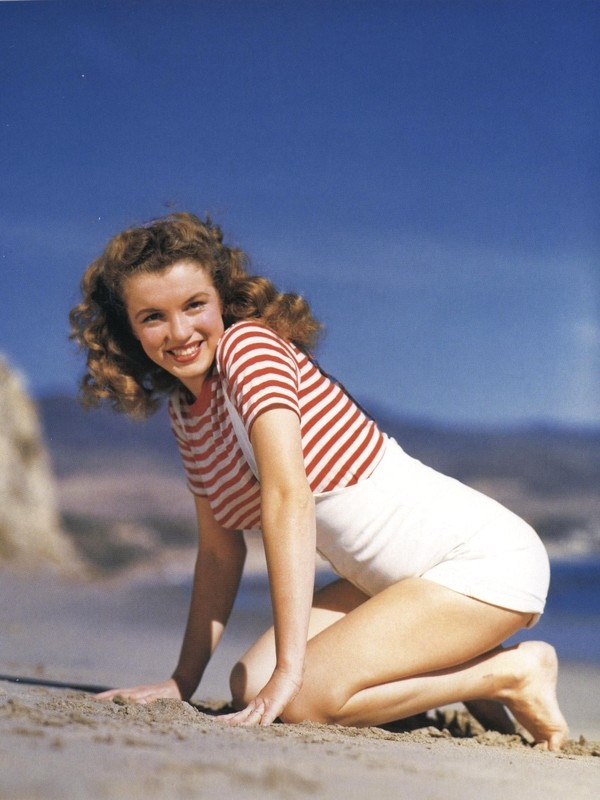
Love offered Marilyn hope, but it also brought turbulence. Her marriage to baseball legend Joe DiMaggio in 1954 felt like a national fairytale. America’s sports hero and Hollywood’s brightest star. Behind closed doors, however, reality clashed with fantasy. He wanted privacy. She lived in the spotlight. Jealousy and control fractured the relationship within months.
Her next marriage to playwright Arthur Miller promised something deeper. She longed for someone to see her intellect, not just her image. For a time, they found connection. But pressure, insecurity, and creative strain eroded their bond, leading to separation in 1961.
As loneliness grew, rumors followed. Stories of relationships with powerful figures circulated endlessly. One public moment — a sultry birthday serenade for a sitting president — became etched into cultural memory, carrying consequences few could have predicted.
Behind the Smile: The Cost of Being an Icon
To the world, Marilyn sparkled effortlessly. In private, she struggled. Chronic insomnia, anxiety, and emotional exhaustion shadowed her days. The expectation to remain flawless — to perform even when broken — weighed heavily on her spirit. Prescription medication became a way to cope with relentless pressure.
Her dream of motherhood brought repeated heartbreak. Health challenges mounted. Self-doubt deepened. By the time she filmed The Misfits, her beauty still shone, but the toll was undeniable. Adored by millions, she often felt profoundly alone.
Questions, Theories, and the Days That Sparked Endless Debate
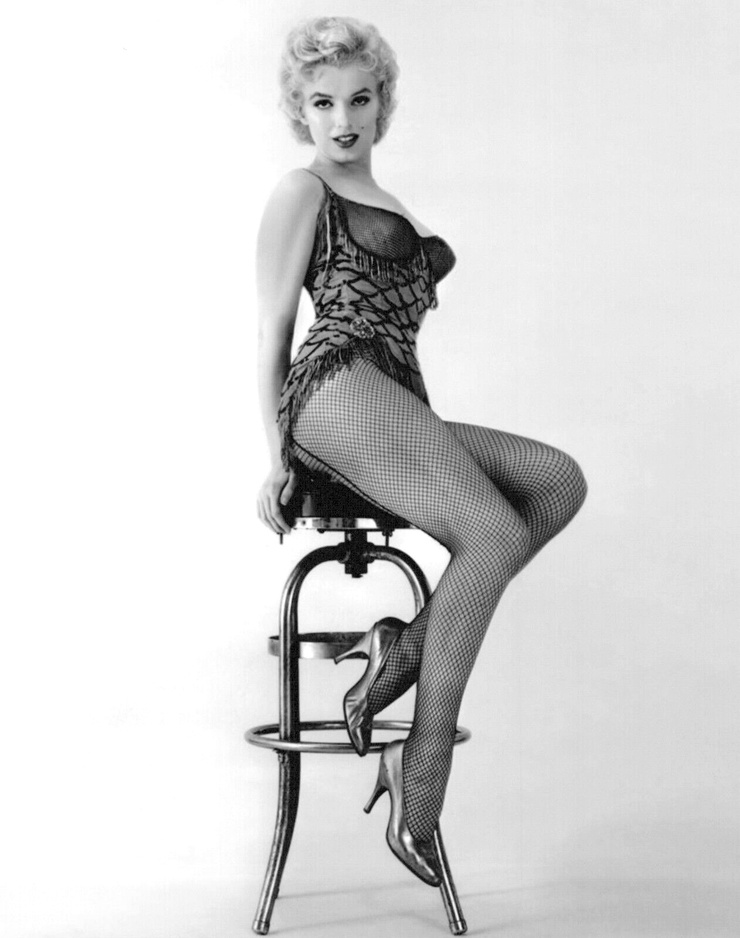
In August 1962, Marilyn Monroe was found lifeless in her Brentwood home at just 36 years old. Authorities cited a barbiturate overdose and labeled it a probable act of self-harm. Almost immediately, doubt followed.
There was no note. Timelines conflicted. Some friends recalled cheerful conversations shortly before. Others spoke of late-night visitors connected to political power. Speculation grew — accidents, cries for help, or secrets that reached too far.
Decades later, books and documentaries continue searching for answers. None have settled the questions. What remains is the shock that rippled across the world and the mystery that refuses to fade.
A Legacy That Refuses to Fade
Marilyn Monroe remains everywhere — in art, fashion, film, and memory. Her image became pop-art royalty. Designers still draw from her style. Modern performers echo her confidence and vulnerability.
More than an icon, she was a trailblazer. By founding her own production company in 1955, she challenged studio control and demanded creative power at a time when few women could. Her vulnerability, once misunderstood, now feels revolutionary.
Why Marilyn Monroe Still Captures Our Hearts
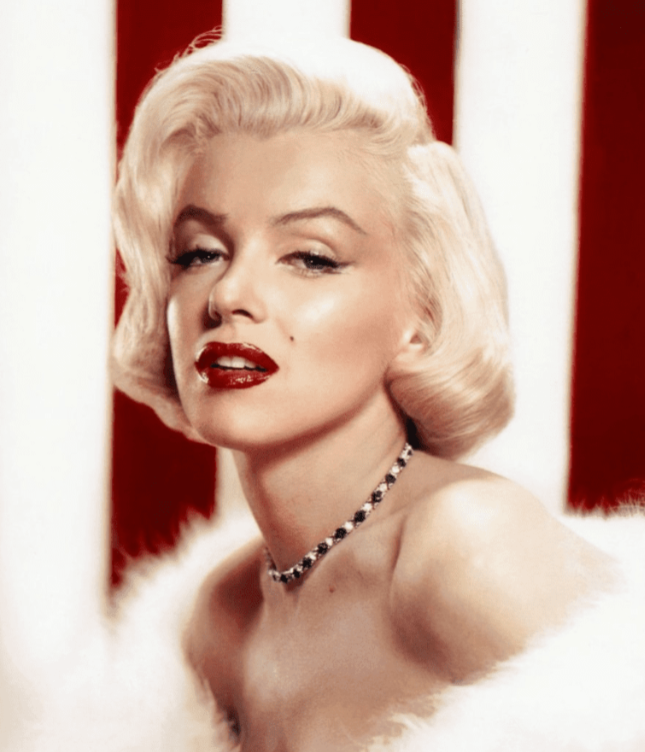
Marilyn Monroe’s story is not just Hollywood history — it’s a deeply human journey. She rose from instability to global fame, loved fiercely, and carried impossible expectations with grace that masked pain. Her beauty drew the world in, but her courage keeps us looking closer.
Even now, her life reminds us that behind every perfect image stands a person navigating unseen battles. Marilyn’s light burned fast, but it still shines — proof that true icons never disappear. They transform into legends.