Have you ever stumbled across an old black-and-white episode of a 1960s television show and thought, “Who is that actress? She lights up the whole screen”?
That glow—that effortless blend of warmth and charisma—was Linda Foster.
She may not dominate headlines today, but rewind to the golden age of classic American television, and her bright smile and breezy presence made her one of the era’s most refreshing young talents. Born Linda Ann Foster on June 12, 1944, in Lancaster, Lancashire, England, she didn’t grow up in Hollywood’s shadow. In fact, her path to American television fame reads like a perfectly scripted drama—unexpected, bold, and beautifully human.
Let’s step into her story.
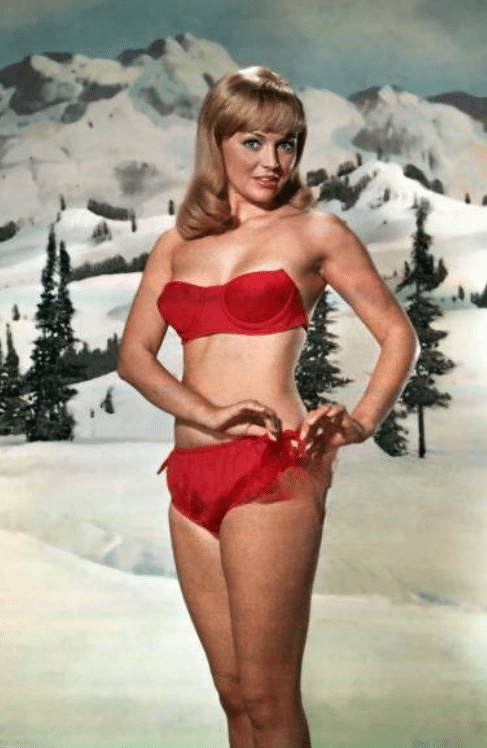
From Lancashire to Los Angeles: A Cross-Continental Beginning
Linda Foster’s early life felt worlds away from California sunshine. She was raised in England by a father who worked as a marine engineer and a mother who taught dance. Think about that combination for a moment—ship blueprints on one side, tap shoes on the other. Practicality and performance under the same roof.
It’s almost poetic.
In 1957, her family relocated first to Toronto, then to Los Angeles. Imagine being a teenager suddenly transported into a city pulsing with movie studios and palm trees. That kind of shift doesn’t just change your address—it reshapes your horizon.
Ironically, Linda didn’t dream of becoming an actress. She planned to pursue secretarial work, envisioning a stable future built on typing speed and office order. But life had a different script.
One ordinary visit to a Joseph Hughes supermarket turned extraordinary when a talent scout noticed her natural poise and captivating smile. Within weeks, she was signed by Universal Studios.
One chance encounter. One pivot. A life transformed.
Early Television Roles: A Star in the Making
Linda’s early television appearances quickly proved she wasn’t just another pretty face.
In 1963, she appeared on My Three Sons. The role was brief, but audiences noticed her immediately. She had that rare quality—approachable yet luminous. It wasn’t just about looks. It was about presence.
Universal Studios began placing her in guest roles across various popular series. She played college students, girlfriends, and spirited young women in family comedies and detective dramas. Each appearance built momentum.
She didn’t overpower scenes. She enhanced them.
Sometimes stardom doesn’t announce itself loudly. Sometimes it unfolds quietly, like sunrise.
The Breakout Role: Doris Royal in “Hank”
In 1965, Linda Foster landed the role that defined her television identity—Doris Royal in NBC’s Hank.
Doris was smart, kind, and charming. As the registrar’s daughter and romantic interest to the show’s lead, Linda balanced lighthearted comedy with emotional depth. She grounded the show’s campus antics with sincerity.
Although Hank lasted only one season, Linda’s performance left an impression that outlived the series itself. Critics praised her timing. Producers saw potential. Audiences connected with her warmth.
She wasn’t flashy. She was authentic.
And authenticity always resonates.
Guest-Star Dominance: Westerns, Crime Dramas, and Spy Thrillers
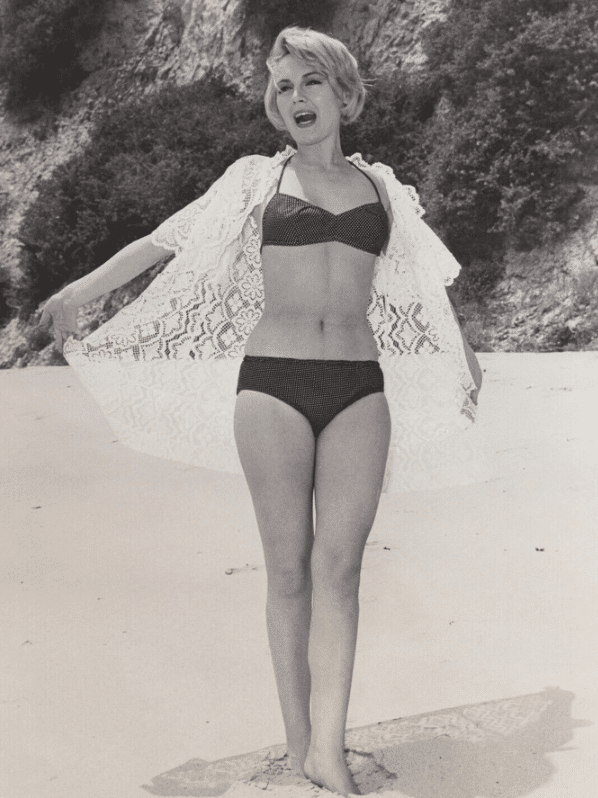
The late 1960s became Linda Foster’s most active period.
Her résumé expanded rapidly with appearances in iconic series like Bonanza, Gunsmoke, The Virginian, Ironside, and McHale’s Navy. Each show had its own tone—rugged Western grit, suspenseful crime narratives, comedic military escapades.
Linda adapted effortlessly.
In The Man from U.N.C.L.E., particularly in “The Thor Affair,” she demonstrated that she could thrive in stylish, high-stakes storytelling. Surrounded by sleek espionage energy, she matched the tone perfectly—confident yet composed.
Some actors decorate a show. Linda illuminated it.
She made every guest appearance feel purposeful, even when the role was small. That’s a subtle skill. Not everyone has it.
Silver Screen Appearances: Glamour Meets Wit
Though television was her primary stage, Linda also stepped into film.
One of her most notable appearances came in 1967’s The Ambushers, part of the Matt Helm spy-comedy franchise starring Dean Martin. In a film packed with playful intrigue and bold style, Linda held her own with breezy confidence.
She also appeared in films such as Honeymoon Hotel and Marriage on the Rocks, as well as several Western features. Hollywood often cast her in lighthearted or glamorous roles, but she consistently added nuance.
She wasn’t just filling space. She was shaping it.
Even when scripts leaned toward charm and sparkle, Linda infused her characters with subtle personality. That extra layer kept her performances memorable.
Romance, Family, and a Shift in Priorities
In 1967, Linda married actor Vince Edwards, best known for his work on Ben Casey. Their relationship blossomed quickly—red carpets, shared projects, and Hollywood gatherings became part of daily life.
Soon after, motherhood entered the picture.
She welcomed two daughters, Nicole in 1969 and Angela in 1970. And here’s where her story takes a meaningful turn.
Instead of chasing increasingly demanding roles, Linda gradually stepped back from the spotlight. By the early 1970s, her appearances became less frequent. Her final television credit came in the 1984 pilot for Glitter.
Why did she step away?
Because family mattered more.
In an industry that often rewards relentless visibility, Linda made a conscious choice to prioritize home life. That decision speaks volumes about her values.
A Quiet Life Beyond Hollywood
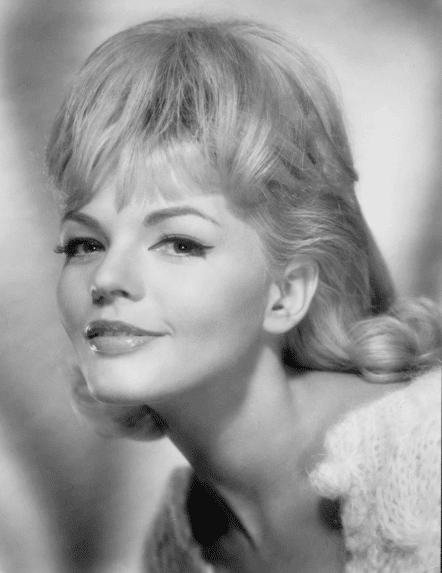
Unlike many performers from her era, Linda Foster never sought a high-profile comeback. She didn’t pursue dramatic reinvention. She embraced privacy.
She raised her daughters, focused on family, and lived outside the relentless cycle of casting calls and premieres.
That quiet retreat adds a certain grace to her legacy.
When fans rediscover her episodes today—late-night reruns or streaming archives—they’re reminded of a softer era of television. An era where charm wasn’t forced and presence didn’t rely on spectacle.
Linda Foster embodies that era.
The Lasting Appeal of Classic Television Icons
Why does Linda Foster still captivate classic TV fans?
Because she represents something rare—effortless magnetism without ego. She shone brightly during a transformative time in American television, then stepped away on her own terms.
Her story feels almost like a perfectly paced screenplay: unexpected discovery, steady rise, memorable performances, heartfelt romance, and a deliberate choice to prioritize love over limelight.
Not every career needs a dramatic finale to be meaningful.
Sometimes the most powerful endings are quiet ones.
Conclusion: A Star Who Defined an Era and Chose Her Own Ending
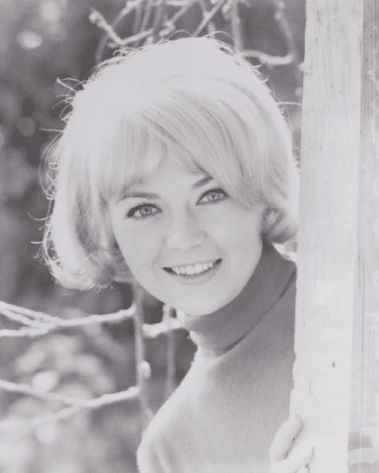
Linda Foster’s journey from Lancashire to Los Angeles wasn’t built on relentless ambition. It was shaped by chance, courage, and choice.
She rose quickly in 1960s television, brought warmth and authenticity to every role, and became a familiar face across beloved series. She explored film, embraced international opportunity, and stood confidently among Hollywood’s rising stars.
And then, when life offered something deeper—family, motherhood, stability—she chose that.
Her legacy isn’t measured by awards or blockbuster fame. It’s measured by the joy she brought to audiences and the dignity with which she stepped away.
Linda Foster didn’t just act in the golden age of television. She embodied it.
And perhaps that’s why, decades later, her performances still feel like a warm echo from a gentler time—radiant, nostalgic, and quietly unforgettable.