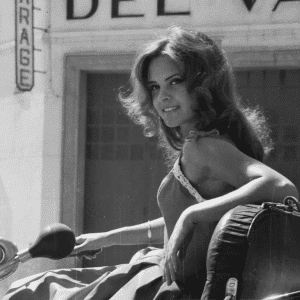
Have you ever watched an old black-and-white film and suddenly felt like you stepped into a different universe?
The lighting glows softer. The dialogue lingers longer. The atmosphere feels intentional. And then she appears — confident, magnetic, and impossible to ignore.
That was Sandra Giles.
She didn’t drift into Hollywood by accident. She chased it down like a speeding convertible on Sunset Boulevard. Her story isn’t just about film credits. It’s about ambition, timing, nerve — and knowing how to make an entrance.
Let’s rewind and see how a small-town girl built a lasting presence in classic Hollywood.
Small-Town Roots, Big-City Vision
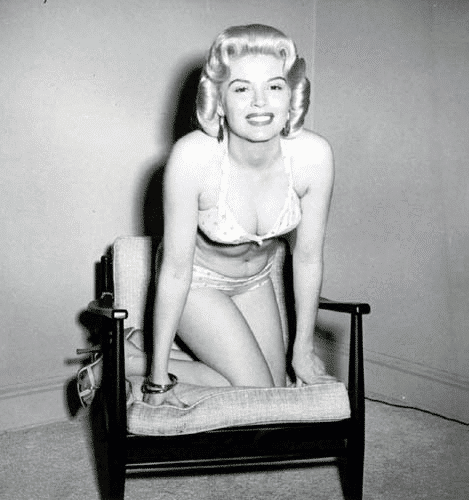
Sandra Giles was born Lelia Bernice Giles on July 24, 1932, in Hooker, Oklahoma. Not exactly the typical launchpad for stardom, right? But sometimes quiet towns produce the loudest dreams.
After her parents divorced, she spent part of her childhood in Texas. That early instability shaped her independence. She learned quickly that if she wanted something, she would have to reach for it herself.
As a teenager, she entered local beauty contests — and won. But those crowns weren’t the goal. They were rehearsal. Confidence training. Public presence practice.
Then she did something most people only talk about.
She hitchhiked to Los Angeles to reunite with her mother and pursue acting.
Who does that?
Someone who believes in herself enough to risk comfort for possibility.
Los Angeles in the 1950s: The Perfect Storm of Opportunity
Los Angeles in the 1950s buzzed with promise. Studios were powerful. Glamour ruled. But competition? Brutal.
Sandra didn’t walk straight onto a set. She worked at Canter’s Delicatessen on Fairfax Avenue, serving food while quietly observing the city’s rhythm.
Then came the turning point.
A press agent noticed her. Not just her appearance — her presence. That spark you can’t manufacture. She adopted the name Sandra Giles, and just like that, the transformation began.
But she didn’t wait for luck to carry her. She understood the mechanics of visibility.
Publicity Genius in the Golden Age of Glamour
Here’s where it gets interesting.
In 1958, Sandra pulled off one of the boldest publicity moves of the era. At the rainy premiere of Teacher’s Pet, she arrived in a pink, fur-lined Cadillac convertible.
In the rain.
Cameras exploded. Headlines followed. She wasn’t just attending — she was creating a moment.
Soon after, Life Magazine featured her in a two-page spread titled “The Blond From Hooker – How to Become a Movie Star.”
That wasn’t random attention.
That was strategy.
Think of it as branding before branding was a buzzword.
Breaking Into Film: Confidence, Attitude, and Drive-In Stardom
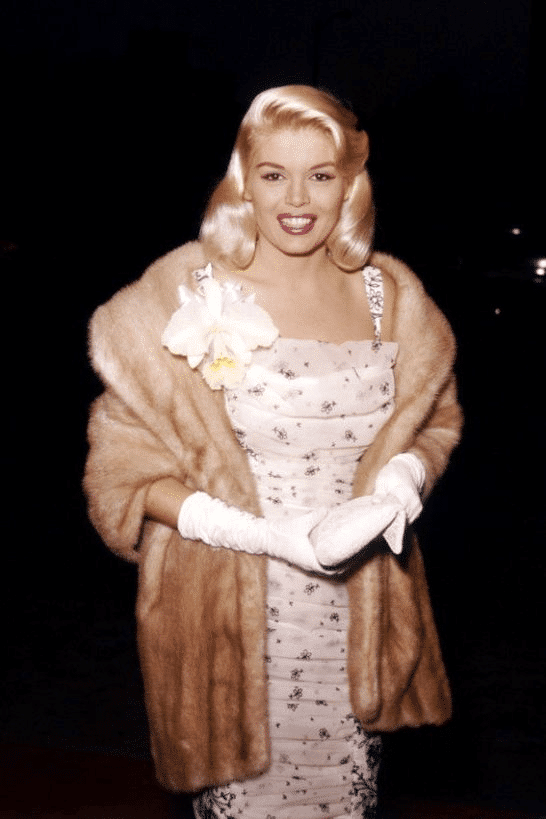
Her film debut came in 1958 with Daddy-O, where she played Jana Ryan — a character who raced cars and defied expectations. She wasn’t a background figure. She had edge.
More roles followed in quick succession. The Matchmaker. A Lust to Kill. Lost, Lonely and Vicious. Many of these films thrived in drive-in theaters, where late-night audiences embraced rebellious storytelling.
Sandra became a familiar face to a generation that consumed cinema under neon lights.
In 1963, she appeared alongside Elvis Presley in It Happened at the World’s Fair. Sharing screen time with one of the biggest entertainers of the era expanded her visibility even further.
Later projects like Black Spurs, Black Gunn, and The Mad Bomber showcased her versatility. Westerns. Action. Drama.
She moved fluidly between genres. No rigid box. No fixed label.
That flexibility kept her relevant.
Television: The Consistency That Built Recognition
While film brought flair, television brought stability.
Sandra appeared on major series including Rawhide, Burke’s Law, Bachelor Father, Adam-12, Quincy M.E., and Columbo.
Each appearance reinforced her reliability. She could play mysterious. Warm. Sharp. Grounded.
In the 1970s, she even appeared on The Odd Couple, sharing scenes with Bobby Riggs, the well-known tennis player she was dating at the time.
Television gave her recurring visibility. Think of it as building trust with audiences week after week.
She wasn’t just glamorous. She was dependable.
Personal Life: Beyond the Spotlight
Behind the camera, Sandra lived fully.
She married twice — first to Dalton R. Smith and later to Paul Everett Robertson. While not every relationship lasted, she maintained strong friendships with other well-known women of her time, including Vikki Dougan and Pat Sheehan.
Motherhood became a central focus in her later years. Her daughter, Sandra Piller, pursued music and later married producer Michael Piller.
Family offered grounding. In an industry built on spotlight intensity, she chose stability when she needed it.
That choice speaks volumes.
Reinvention in Later Years
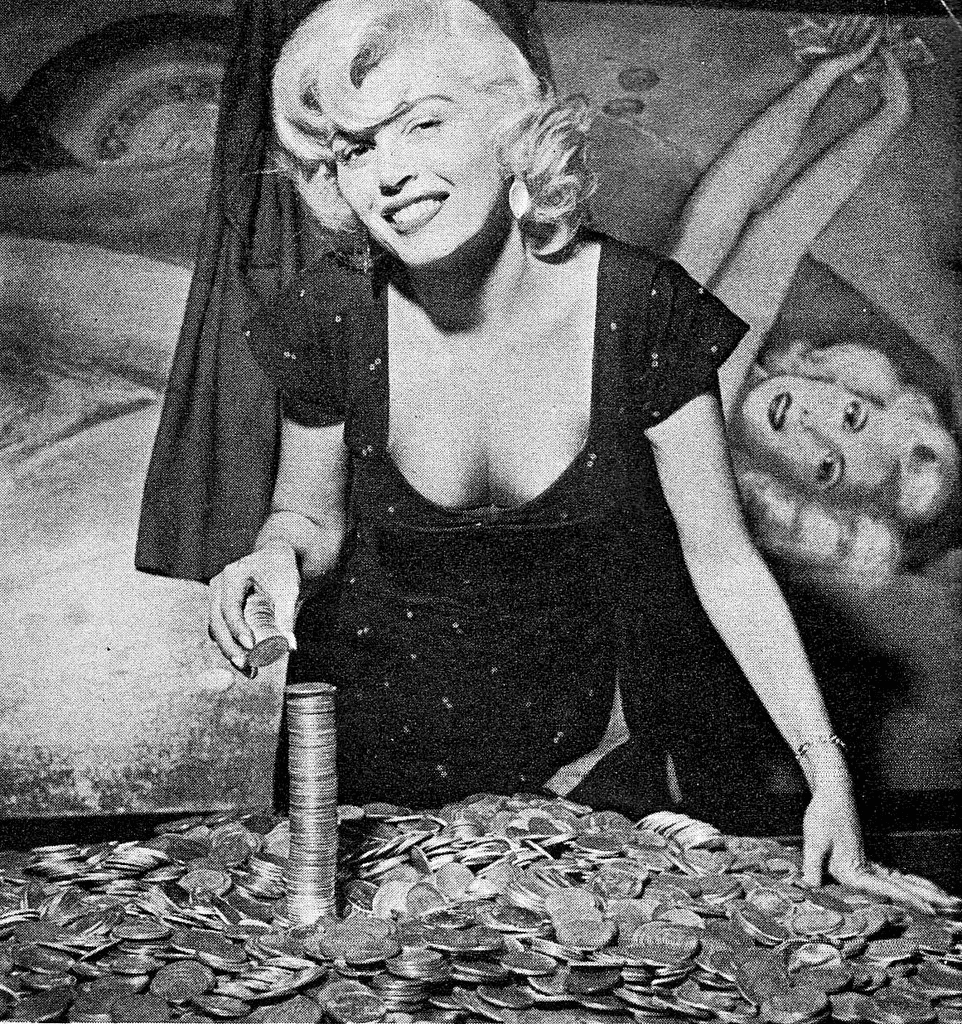
As acting roles slowed, Sandra didn’t retreat into obscurity. She pivoted.
In Los Angeles, she became known for hosting swing dance events that raised money for charitable causes. Music, nostalgia, and community blended into something joyful.
It felt like a full-circle moment. The girl who once created a spectacle at a movie premiere now created meaningful gatherings that gave back.
In 2014, health challenges emerged, including dementia and a rare skin condition. Even so, those close to her described her as resilient — still carrying that fearless spark.
The same woman who once hitchhiked toward possibility never fully lost her boldness.
A Legacy Built on Courage and Timing
Sandra Giles passed away on December 25, 2016, at the age of 84.
She left behind a daughter, grandchildren, a great-grandson, and a filmography that continues to surface in late-night viewings and classic cinema rediscoveries.
Her legacy isn’t measured by awards alone.
It’s measured by presence.
By daring to arrive in the rain in a pink Cadillac.
By understanding that Hollywood isn’t just talent — it’s timing, awareness, and courage.
She didn’t shout for attention. She created moments that demanded it.
Conclusion: Why Sandra Giles Still Captivates
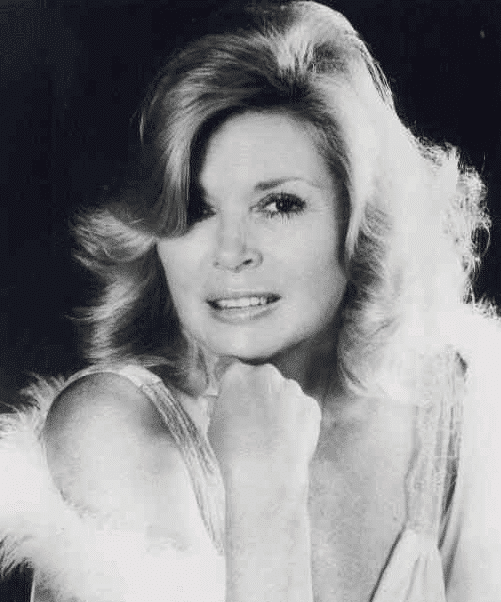
Sandra Giles’ journey from Hooker, Oklahoma, to Hollywood screens proves something powerful: ambition paired with action changes everything.
She took risks others wouldn’t. She mastered publicity without losing authenticity. She adapted across film and television without being boxed in. And when the spotlight dimmed, she found new ways to shine.
Her story reminds us that success isn’t just about landing roles. It’s about showing up boldly, again and again, even when the odds feel stacked.
And maybe that’s why, decades later, when her face appears on a vintage screen, we still pause.
Because courage never goes out of style.