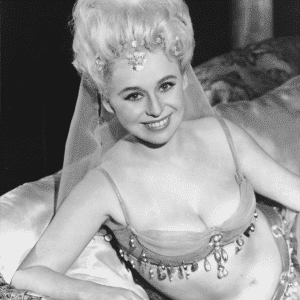
What does it really take to become a television legend? Is it pure talent? Good timing? A lucky break? Sure, those help. But if you look closely at Julie Goodyear’s journey, you’ll see something deeper at work—grit, instinct, personality, and the courage to stay unapologetically authentic.
She didn’t just act in a long-running series. She built a character that walked off the screen and into British culture. Bet Lynch wasn’t just a role. She was a phenomenon. And behind her stood a woman shaped by real-life experience, resilience, and emotional depth.
Let’s unpack the story behind the legend.
Early Life in Lancashire: Strength Forged in Real Life
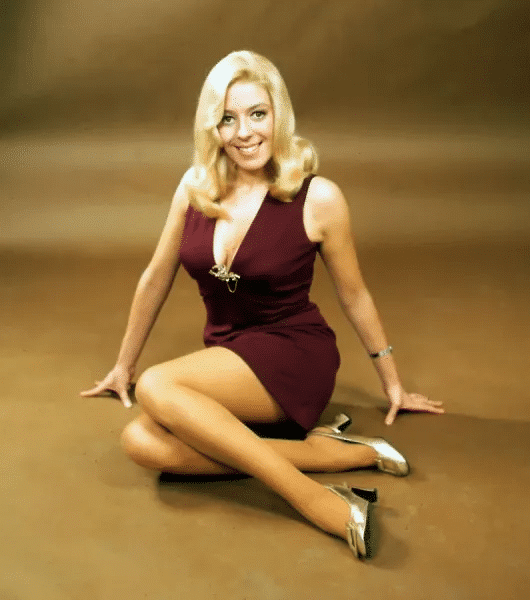
Julie Goodyear was born Julie Kemp on March 27, 1942, in Heywood, Lancashire. Her early life wasn’t wrapped in comfort or privilege. Her parents separated when she was young, money was tight, and stability felt more like a luxury than a guarantee.
So what did she do? She adapted.
She worked factory shifts. She served behind bars. She trained as a hairdresser and even ran her own salon. These weren’t glamorous chapters—but they were powerful ones. They taught her how people think, how they argue, how they love, and how they survive.
Long before scripts entered her world, she was studying human behavior in real time. That lived experience later gave her performances an authenticity that no drama school could manufacture.
In many ways, life trained her before television ever did.
Discovering Acting by Accident—And Owning It
Julie didn’t grow up dreaming of red carpets or prime-time recognition. Acting entered her life almost casually, through amateur dramatics. But what started as curiosity quickly revealed something electric.
On stage, she could channel emotion with intensity. Anger. Humor. Vulnerability. Confidence. It all flowed naturally.
Her first television appearance came in 1961 on The Younger Generation. The role was small, but it opened a door. She stepped through it—not with entitlement, but with determination.
Opportunities followed persistence. Slowly. Steadily.
And then came the role that changed everything.
The Birth of Bet Lynch: A Cultural Earthquake
In 1966, Julie Goodyear appeared on Coronation Street as Bet Lynch, a bold, glamorous barmaid with sharp wit and a presence that filled every room.
The role was originally meant to be temporary.
That didn’t last.
Audiences connected instantly. Bet wasn’t delicate or polished. She was loud, layered, funny, and fiercely human. She embodied working-class strength without apology. She could flirt, argue, defend, and feel deeply—all within a single episode.
By 1970, Bet Lynch became a regular character. And Julie Goodyear transformed a supporting role into a cultural icon.
That’s not luck. That’s instinct.
Dominating Coronation Street for Over 25 Years
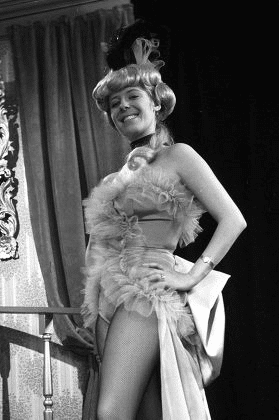
For more than two decades, Julie Goodyear became one of the defining faces of British television. Bet Lynch’s storylines were rich with romance, ambition, heartbreak, reinvention, and survival.
She ran the Rovers Return with swagger. She delivered unforgettable one-liners. She wore leopard print like armor. And she balanced toughness with vulnerability in a way that felt raw and real.
That emotional range mattered.
Bet wasn’t a caricature. She was complicated. She could be fiery one moment and fragile the next. That complexity made her believable—and beloved.
Awards followed, including a Lifetime Achievement honor in 1999. But the real reward? Loyalty. Viewers didn’t just watch Bet Lynch. They grew up with her. They quoted her. They remembered her.
That’s the difference between fame and legacy.
Personal Life: Honest, Complicated, Human
Behind the cameras, Julie’s life carried its own twists.
She married several times, including a brief union with fellow Coronation Street actor Bill Roache. Not every relationship lasted, but each shaped her understanding of independence and resilience.
In 1995, she married Scott Brand—a partnership that brought stability and happiness. Their bond lasted until his passing in 2020. When she later spoke about their life together, she did so with gratitude rather than bitterness. That emotional clarity speaks volumes.
Love, after all, doesn’t follow a neat script. It unfolds in its own time.
Julie’s story reminds us that strength isn’t about avoiding hardship. It’s about learning from it.
Health Challenges and Choosing Self-Preservation
In the mid-1990s, Julie surprised fans by stepping away from Coronation Street. The decision wasn’t fueled by scandal or controversy. It was deeply personal.
She faced serious health challenges, including cervical cancer. Treatment required courage. Reflection required even more.
She later returned for brief appearances, offering fans moments of closure. But ultimately, she chose retirement on her own terms.
That choice matters.
In an industry that often pressures performers to chase relevance indefinitely, Julie prioritized well-being. She understood something profound: protecting your health is not weakness—it’s wisdom.
Sometimes walking away is the strongest move you can make.
Life Today: Peace Over Applause
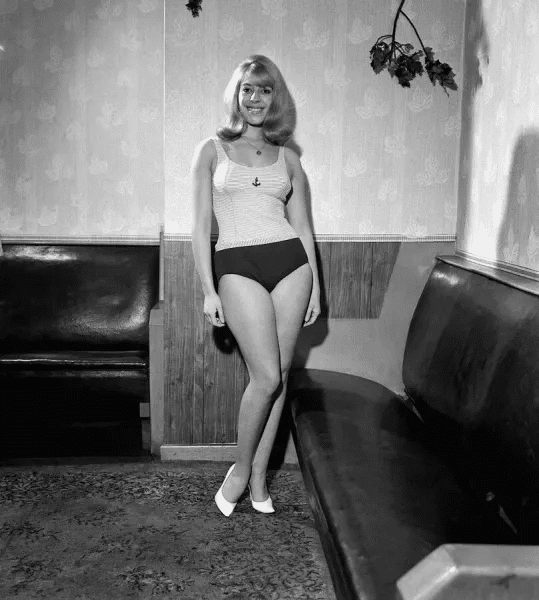
Now in her 80s, Julie Goodyear lives quietly in Lancashire. She keeps close to family and trusted friends. She stays out of the spotlight by design, not by default.
She supports charitable causes, particularly those tied to cancer awareness and animal welfare. She values kindness. She values privacy. And she values peace.
Fans still reach out with letters and messages. She appreciates their loyalty, even if she no longer seeks public attention.
There’s something powerful about that kind of contentment. When you’ve already proven yourself, you don’t need constant applause. You need calm.
And she has earned it.
Why Julie Goodyear’s Legacy Still Resonates
So why does Julie Goodyear still matter today?
Because she represented something real.
She brought working-class strength, emotional honesty, and unapologetic presence to British television at a time when authenticity wasn’t always celebrated. Through Bet Lynch, she gave voice to women who were bold, flawed, loving, and resilient.
She showed that you don’t need refinement to command respect. You need conviction.
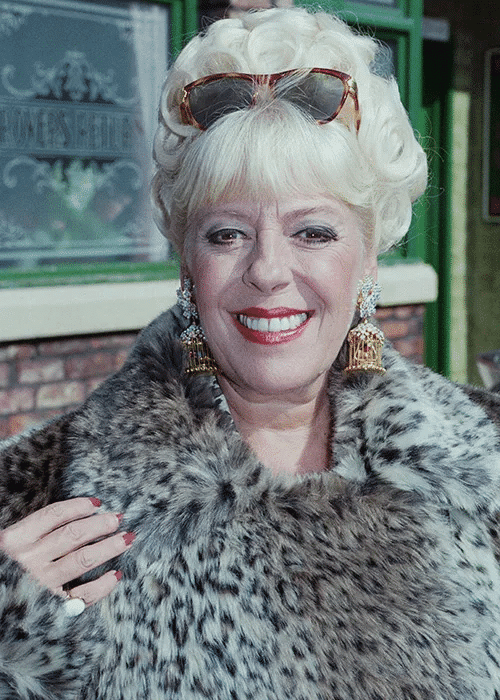
Her legacy isn’t just about longevity. It’s about impact.
Success isn’t measured by how long you remain on screen. It’s measured by how deeply you remain in memory.
And Julie Goodyear remains unforgettable.
Conclusion: A True Television Icon Defined by Grit and Grace
Julie Goodyear’s life reads like a drama written by experience itself—humble beginnings, breakthrough success, personal challenges, and ultimately, well-earned peace.
From factory floors to the Rovers Return, from cultural icon to quiet retiree, she navigated every chapter with resilience. She didn’t chase trends. She stayed true to herself.
That authenticity made Bet Lynch legendary. And it made Julie Goodyear timeless.
She stepped away from the spotlight—but her influence never dimmed.
And that, more than awards or headlines, is the mark of a true television legend.