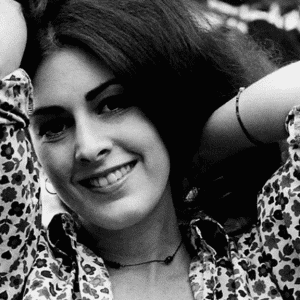
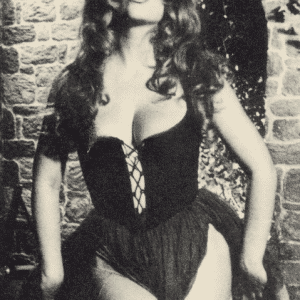
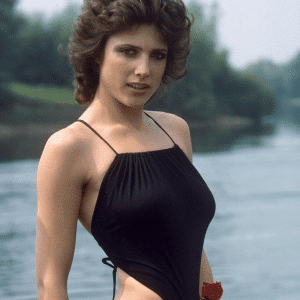
Some actors perform. Laura Dern transforms.
Have you ever watched a scene and felt like someone just reached into your chest and gently squeezed your heart? That’s Laura Dern. Whether she’s standing firm in a courtroom, navigating heartbreak, or facing prehistoric chaos, she brings a kind of emotional truth that lingers long after the screen fades to black.
She isn’t just a celebrated Hollywood figure. She’s proof that longevity in the film industry isn’t built on hype—it’s built on courage, authenticity, and an almost fearless commitment to vulnerability.
Let’s dive into her remarkable journey—from growing up in Hollywood’s glow to becoming one of the most respected actresses of her generation.
Born Into Cinema: Growing Up in a Hollywood Family
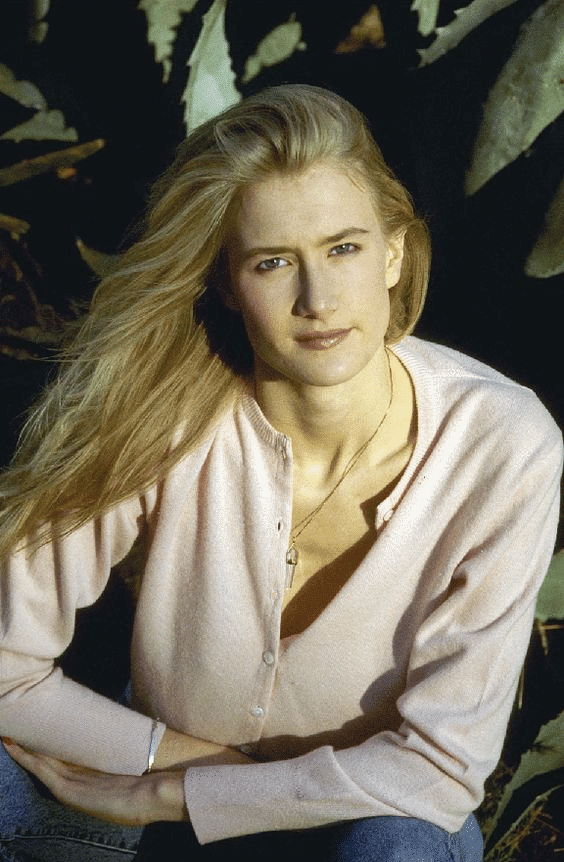
Laura Elizabeth Dern was born on February 10, 1967, in Los Angeles. With parents like Bruce Dern and Diane Ladd—both acclaimed actors—you could say storytelling ran in her bloodstream.
But don’t mistake that lineage for an easy ride.
Her parents separated when she was young, and Laura grew up navigating both Hollywood sets and emotional complexity at home. Imagine being a child surrounded by cameras, scripts, and deeply intense performances. For Laura, acting wasn’t just entertainment. It was language.
Independence at Thirteen: A Defining Moment
Most teenagers are worrying about homework. Laura Dern was fighting for her future.
When her mother initially resisted her taking on a significant early role, Laura made a bold choice: she legally emancipated herself at 13. That decision wasn’t just about landing a film. It was about claiming ownership of her path.
That kind of independence doesn’t just shape a career—it shapes a person.
Early Career Breakthroughs: The Roles That Made Critics Pay Attention
From Small Parts to Emotional Depth
Laura began acting as a child, appearing in films like White Lightning and Alice Doesn’t Live Here Anymore. But her breakout moment came with Mask (1985), where she portrayed a blind teenager discovering love. Critics noticed her sensitivity, her restraint, her quiet intensity.
She didn’t overact. She revealed.
David Lynch and the Birth of a Screen Identity
Then came her collaboration with director David Lynch. Blue Velvet (1986) introduced audiences to something rare: an actress who could portray innocence and strength simultaneously.
Laura Dern became synonymous with emotional complexity. In films like Smooth Talk and Wild at Heart, she leaned into challenging material without hesitation. She wasn’t chasing glamour. She was chasing truth.
And Hollywood took notice.
The 1990s: From Indie Darling to Global Icon
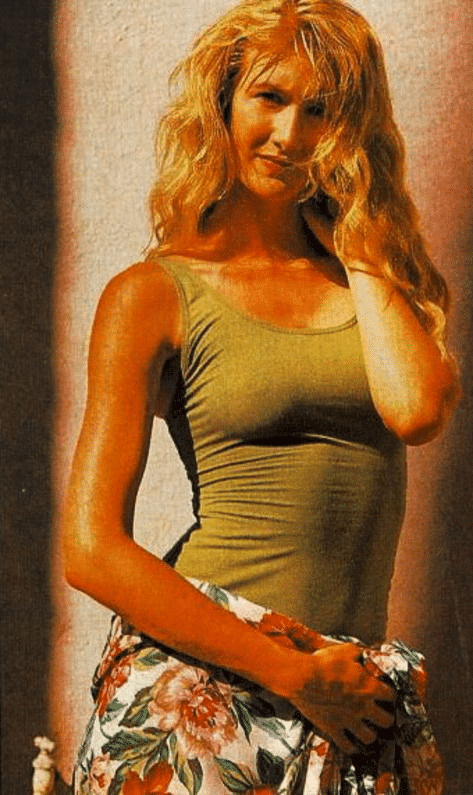
In 1993, Laura Dern stepped into the role that made her a household name: Dr. Ellie Sattler in Jurassic Park.
Smart. Calm. Capable.
She wasn’t a background figure in a blockbuster—she was its moral and intellectual backbone. While dinosaurs roared, she stood steady. Kids admired her courage. Adults respected her intelligence.
Her return in Jurassic World Dominion decades later felt less like nostalgia and more like a reminder: strength never goes out of style.
Balancing Blockbusters and Independent Films
Here’s what sets Laura apart—she never boxed herself in.
While starring in massive franchises, she also delivered deeply layered performances in films like Rambling Rose, where she starred alongside her mother, earning both actresses Academy Award nominations.
Later came The Master, Wild, and even Star Wars: The Last Jedi. Each role showcased a different shade of her talent.
Then, in 2019, she delivered one of the most powerful performances of her career in Marriage Story. As sharp, commanding attorney Nora Fanshaw, she dominated every scene. That role earned her an Academy Award—and it felt earned.
At the same time, her portrayal of Renata Klein in Big Little Lies became a cultural phenomenon. Fierce. Vulnerable. Explosive. Human.
Laura Dern doesn’t disappear into roles. She elevates them.
Beyond the Screen: Family, Love, and Advocacy
Balancing Stardom and Motherhood
Laura’s personal life reflects the same depth as her professional one. She married musician Ben Harper in 2005, and together they raised two children, Ellery and Jaya. Though the marriage ended in 2013, she approached that chapter with grace and resilience.
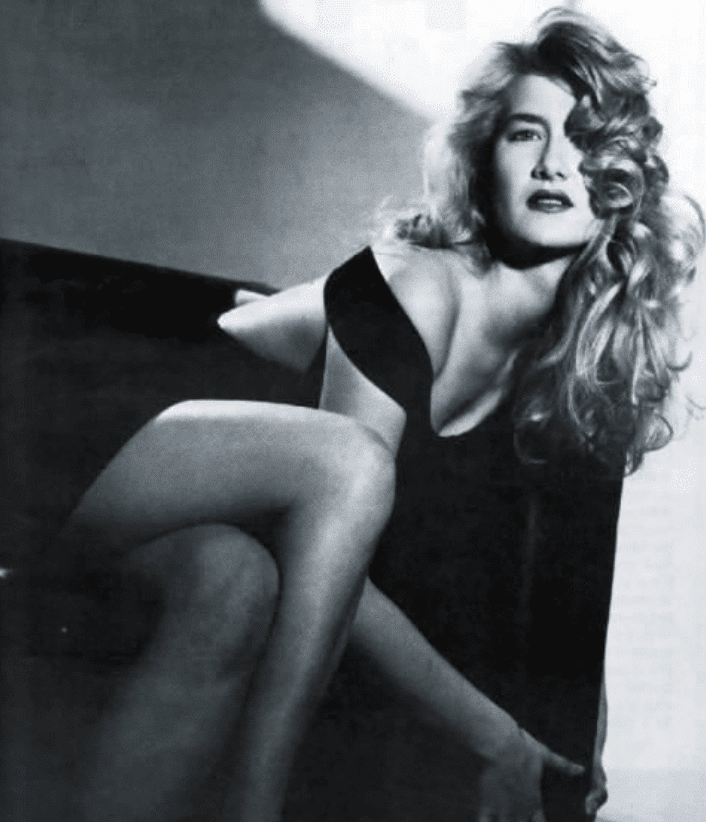
Motherhood remains central to her identity. She often speaks about the profound influence of her mother, Diane Ladd. Their creative collaborations strengthened not just their careers, but their bond.
Family grounds her. It keeps her centered amid Hollywood’s constant noise.
Using Her Voice for Change
Laura Dern doesn’t treat fame as decoration. She treats it as responsibility.
She advocates for environmental protection, women’s rights, and mental health awareness. She speaks openly about emotional well-being, reminding audiences that vulnerability isn’t weakness—it’s power.
She doesn’t just play strong women. She supports them in real life.
Awards and Recognition: A Career Built on Substance
Laura Dern’s shelf of accolades tells its own story:
• Academy Award winner
• Five Golden Globe Awards
• Primetime Emmy Award recipient
• BAFTA Award honoree
• Multiple Critics’ Choice and Screen Actors Guild Awards

But here’s the truth—awards aren’t what define her.
Consistency does.
She has built a career on emotional honesty. She chooses roles that spark dialogue, challenge perspectives, and invite introspection.
That’s why her work endures.
Laura Dern Today: Creativity Without Limits
At 58, Laura Dern radiates confidence and curiosity. She continues acting, producing, and exploring new creative territories. Her recent work in Palm Royale highlights her comedic timing and fearless experimentation.
She also develops projects centered on women’s stories—a natural extension of her lifelong commitment to representation and authenticity.
Outside of film, she embraces a grounded life. She hikes. She meditates. She supports environmental initiatives. She prioritizes family dinners over industry parties.
She doesn’t chase relevance. She redefines it.
Why Laura Dern’s Legacy Is Still Growing
So what makes Laura Dern different?
It’s not just longevity. It’s evolution.
She began as a determined teenager fighting for creative independence. She grew into an indie film standout. She conquered global blockbusters. She became an award-winning performer. And through it all, she stayed emotionally honest.
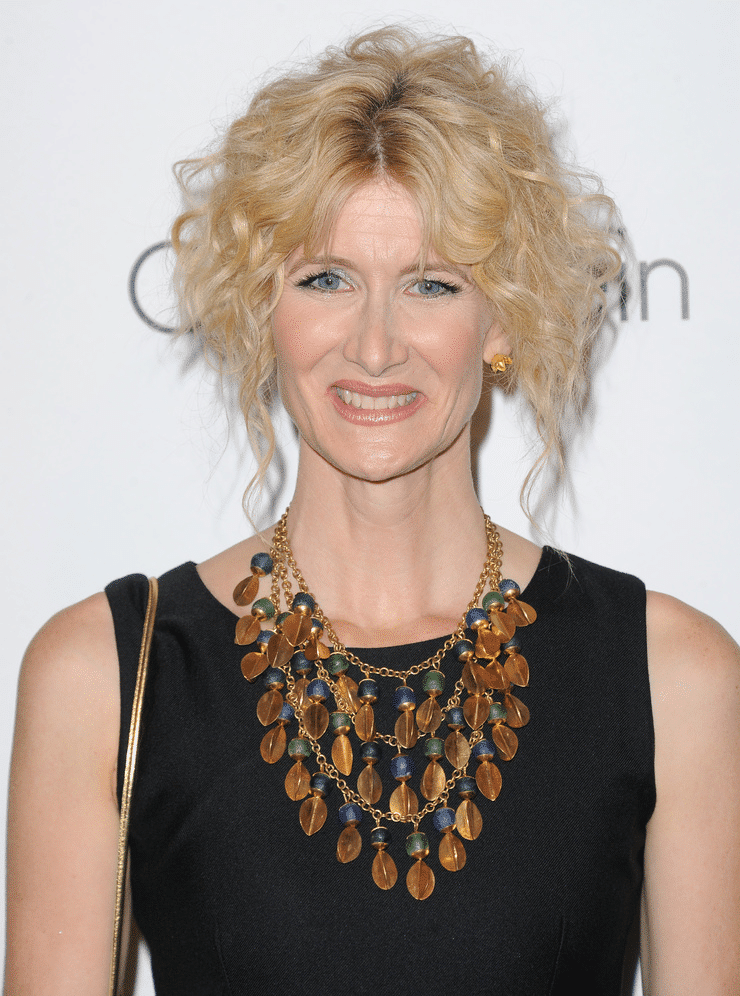
Her career feels less like a straight line and more like a carefully woven tapestry—each thread adding depth, color, and texture.
She reminds us that storytelling heals. That vulnerability connects. That strength often looks quiet before it looks loud.
Conclusion: The Enduring Power of Authenticity
Laura Dern’s story isn’t just about Hollywood success. It’s about courage, intuition, and emotional intelligence.
From her early emancipation to her unforgettable roles in Jurassic Park, Marriage Story, and Big Little Lies, she has consistently chosen authenticity over convenience. She has proven that resilience fuels longevity, and vulnerability fuels impact.
In an industry that constantly shifts, Laura Dern remains steady—bold, curious, and unapologetically herself.
And as long as she continues to explore new characters and new truths, her legacy won’t just endure.
It will grow.