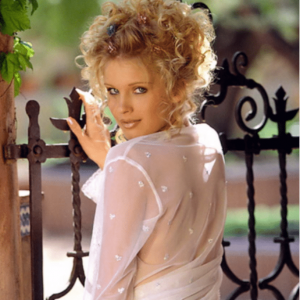
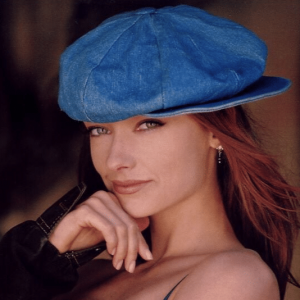
Have you ever watched a movie and felt like the actor on screen understood exactly what you were thinking? Like they reached through the camera and touched something personal inside you? That’s the quiet superpower of JoBeth Williams.
For decades, she has delivered performances that feel honest, layered, and deeply human. From pulse-pounding supernatural thrillers to emotionally charged television dramas, JoBeth Williams built a career that doesn’t just entertain—it resonates. Her journey from Houston, Texas, to Hollywood’s brightest stages is a story of curiosity, discipline, and fearless creativity.
Let’s step into the life of a woman who turned acting into an art form.
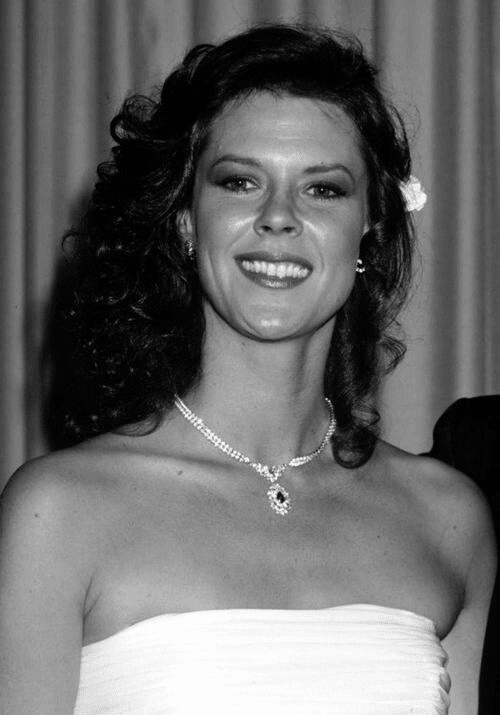
Houston Beginnings: Where Talent Took Root
Margaret JoBeth Williams was born on December 6, 1948, in Houston, Texas. She grew up in a home that blended structure with artistry. Her mother, Frances Faye Adams, worked as a dietitian—practical, grounded, detail-oriented. Her father, Fredric Roger Williams, managed a wire and cable business while passionately performing opera.
Imagine that contrast. Nutrition charts on one table. Opera arias filling the living room.
That duality shaped JoBeth early. She learned discipline from one parent and dramatic flair from the other. As a child, she absorbed music, storytelling, and emotional expression almost by osmosis. By high school, she had already gravitated toward theater, discovering that the stage felt less like performance and more like home.
After graduating in 1966, she attended Brown University, initially studying child psychology. But here’s the twist—acting called louder. Theater classes sparked something electric inside her. By 1970, she pivoted fully toward performance, choosing the unpredictable path of an artist over the safer road of academia.
Sometimes life doesn’t whisper. It insists.
From Stage to Screen: Crafting the Foundation
Before Hollywood fame, JoBeth sharpened her skills in the trenches of live theater. She worked with the Trinity Repertory Company in Providence, Rhode Island. This wasn’t glamorous—it was rigorous. Night after night, she practiced emotional precision, timing, and physical presence.
Stage acting is like training with weights. It builds stamina, control, and awareness. When she eventually transitioned to film and television, she carried that discipline with her.
Her early television break came in 1972 as the hostess of the Boston children’s show Jabberwocky. It may have seemed lighthearted, but it taught her how to connect naturally with an audience. Soon after, she appeared in soap operas like Somerset and The Guiding Light. Those long-running roles demanded consistency and emotional endurance.
Then came a pivotal moment: Kramer vs. Kramer (1979). Though her role was supporting, she held her own alongside powerhouse performers. It was subtle. It was controlled. And it sent a clear message—JoBeth Williams had range.
Poltergeist and the Power of Fear
In 1982, everything changed.
When JoBeth stepped into the role of Diane Freeling in Poltergeist, she didn’t just act frightened—she embodied a mother facing the unimaginable. The film became a cultural phenomenon, and her performance anchored it emotionally.
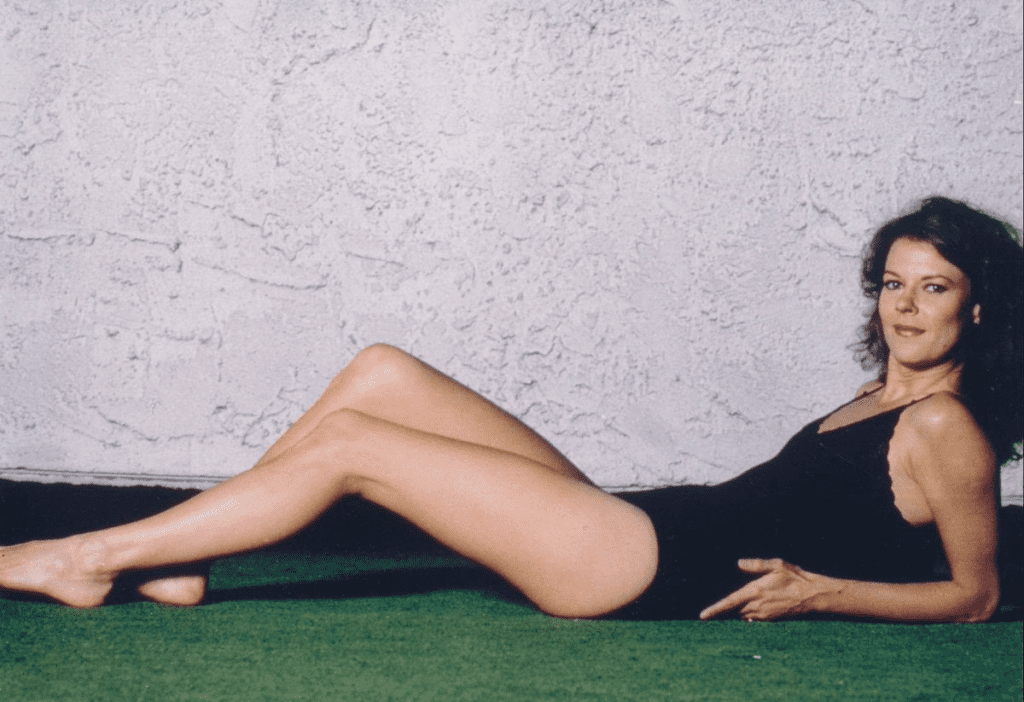
She crawled through mud. She screamed in terror. But what made it unforgettable wasn’t the spectacle—it was the sincerity. Her fear felt real. Her love felt fierce. Audiences believed her.
That’s rare.
In horror, it’s easy to overplay emotion. JoBeth resisted that. She grounded every scene in maternal instinct. Diane Freeling wasn’t a trope. She was a woman fighting for her family. And that authenticity elevated the entire film.
It’s one thing to survive a horror classic. It’s another to define it.
The Big Chill and Emotional Subtlety
Just one year later, JoBeth starred in The Big Chill (1983), a film that explored friendship, aging, regret, and ambition. Playing Karen, she navigated the delicate emotional terrain of adulthood with remarkable restraint.
No dramatic monologues. No exaggerated reactions.
Instead, she used silence. A glance. A pause before speaking.
Acting isn’t always about what you say. Sometimes it’s about what you don’t.
Her performance in The Day After that same year further demonstrated her ability to tackle intense subject matter with dignity and emotional weight. As a nurse facing unimaginable circumstances, she portrayed quiet strength rather than spectacle.
Versatility wasn’t just part of her resume. It became her signature.
Emmy-Nominated Television Triumphs
Television allowed JoBeth to explore even deeper emotional arcs.
In Adam (1983), she portrayed Revé Walsh, a mother enduring profound tragedy. The performance earned her an Emmy nomination. It wasn’t flashy—it was intimate and honest.
Later, in Baby M (1988), she delivered another Emmy-nominated performance, portraying a woman entangled in one of the most talked-about custody cases of the era. These roles required emotional intelligence and restraint. She gave both.
Television audiences saw something extraordinary: an actress who could carry pain, compassion, and complexity all at once.
That’s not easy. It’s emotional tightrope walking.
Behind the Camera: A Creative Evolution
JoBeth didn’t stop at acting. In 1994, she directed and produced On Hope, a short film that earned an Academy Award nomination for Best Live Action Short Film.
Let that sink in.
She stepped behind the camera and proved her storytelling instincts were just as strong there. Directing requires vision, patience, and empathy. She possessed all three.
Later collaborations with her husband, director John Pasquin, expanded her creative influence even further. She wasn’t just interpreting stories anymore—she was shaping them.
Think of it like moving from being a musician to becoming a composer. The perspective changes. The control deepens.
Family, Balance, and Staying Grounded
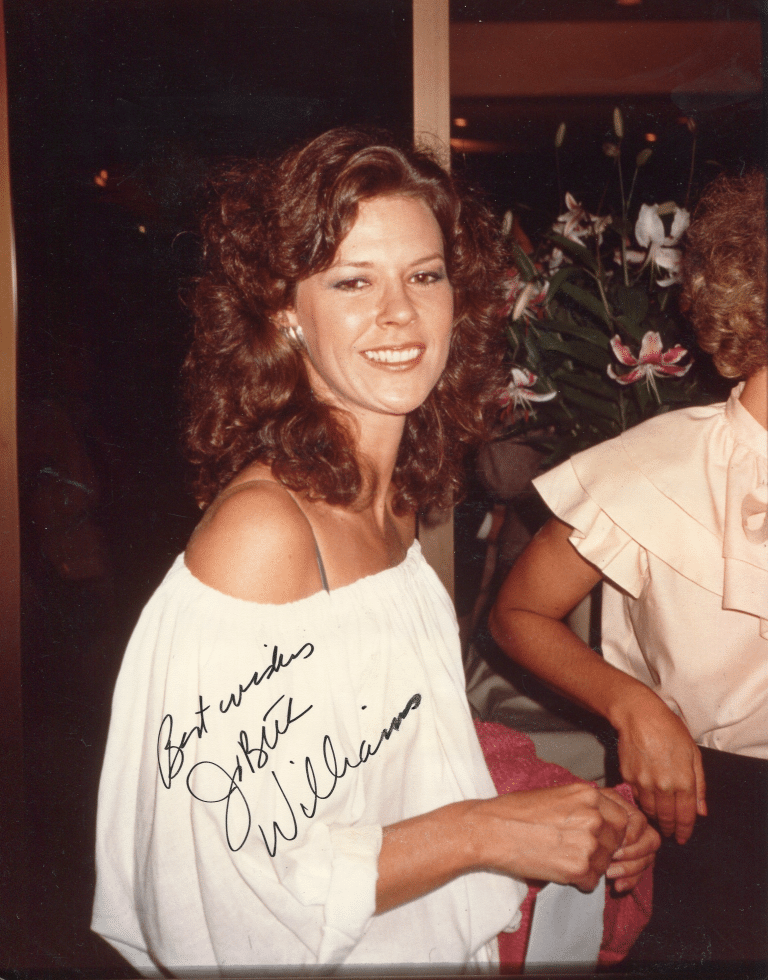
In 1982, JoBeth married John Pasquin. Together, they built a life that balanced creativity with stability. They raised two sons and created a partnership that blended art and family.
In an industry often driven by ego and constant visibility, JoBeth chose steadiness. She prioritized meaningful roles. She stepped back when necessary. She stayed centered.
That grounded approach has defined her longevity.
Success, for her, wasn’t about constant headlines. It was about sustainability.
Leadership and Lasting Influence
Beyond film and television, JoBeth Williams has served as President Emeritus of the Screen Actors Guild Foundation. In that role, she advocated for performers, supported educational initiatives, and mentored emerging talent.
This is where legacy becomes tangible.
She didn’t just build a career—she helped strengthen an entire community of artists.
Her influence extends far beyond the screen. It lives in the actors she has supported and the standards she has upheld.
Why JoBeth Williams Still Matters Today
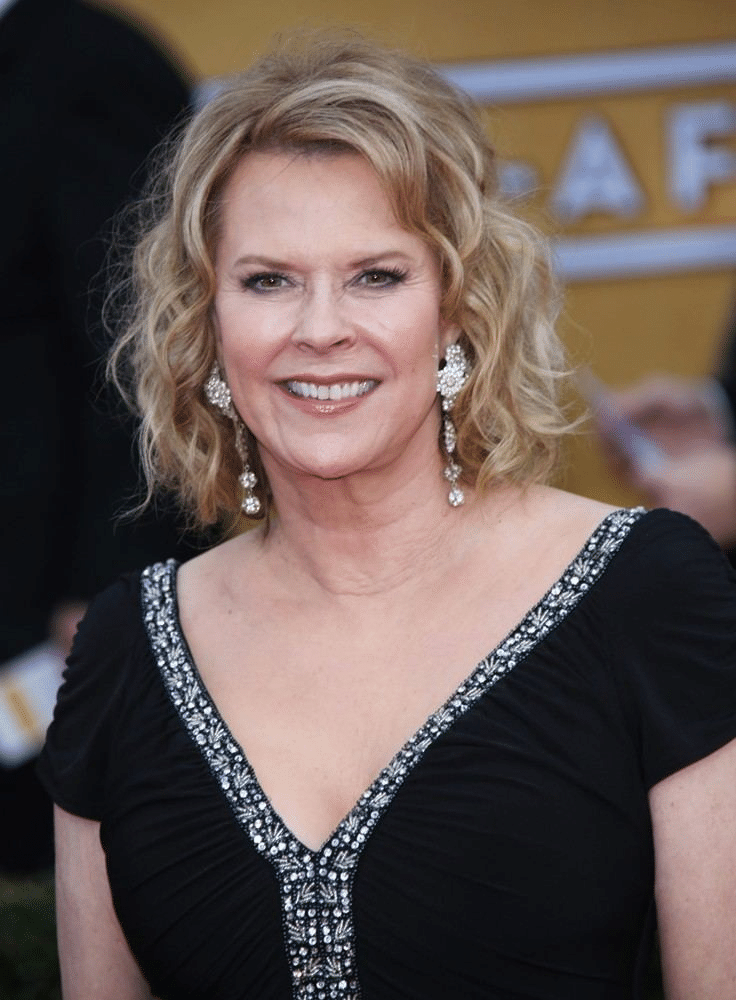
So why does JoBeth Williams remain relevant?
Because authenticity never goes out of style.
Her performances feel timeless because they are rooted in truth. She approaches every character with curiosity and empathy. She listens before reacting. She feels before speaking.
In an era obsessed with spectacle, that quiet authenticity feels revolutionary.
Her body of work spans genres—horror, drama, comedy, family films—yet there’s a common thread: emotional honesty. She makes audiences believe.
And belief is the most powerful currency in storytelling.
Conclusion: A Career Built on Heart and Intelligence
JoBeth Williams’ journey from Houston to Hollywood is more than a success story. It’s a testament to discipline, versatility, and emotional depth. She mastered stage, film, and television. She directed with vision. She led with integrity. She balanced family and career with intention.
Most importantly, she reminded us that acting isn’t about pretending—it’s about revealing truth.
Whether you first saw her in Poltergeist, connected with her in The Big Chill, or discovered her through television dramas, one thing is clear: JoBeth Williams doesn’t just perform. She invites us into a shared emotional experience.
And that’s the kind of artistry that lingers long after the credits roll.
Which of her performances stayed with you the longest?