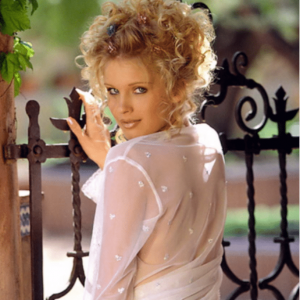
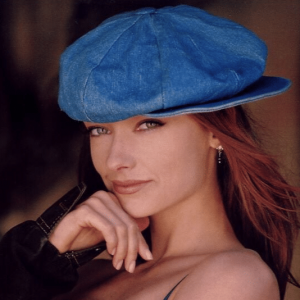
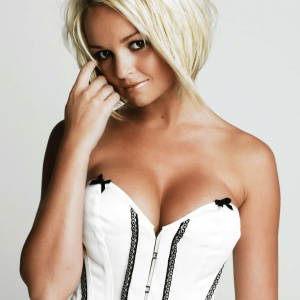
Have you ever wondered what it takes to survive Hollywood—not just for a season, but for decades?
Some performers flash brightly and fade. Others evolve. Reinvent. Rise again.
Morgan Brittany belongs to the second category.
Born Suzanne Cupito on December 5, 1951, in Los Angeles, she grew up surrounded by cameras, casting calls, and possibility. But this isn’t just another story about a child star. It’s a story about transformation—about a girl who stepped into the spotlight early and never stopped redefining who she could be.
Let’s take a closer look at the journey behind the name.
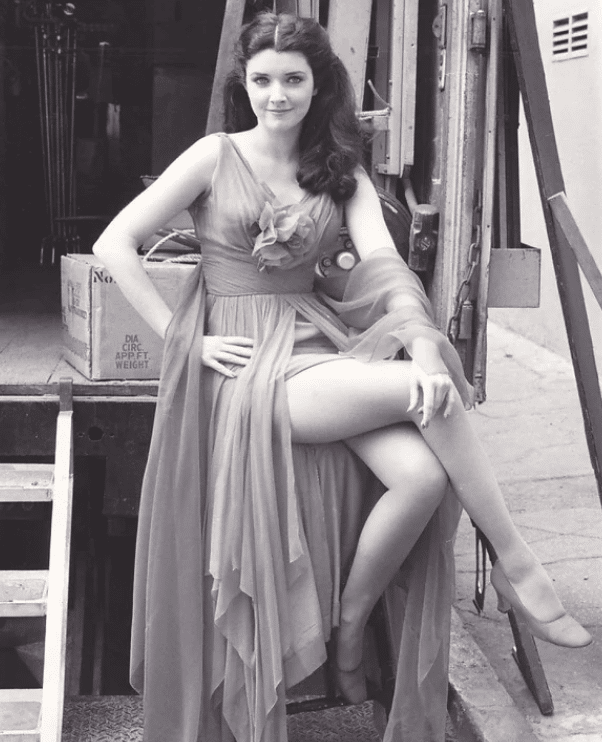
A Hollywood Childhood: Where It All Began
Morgan Brittany didn’t ease into entertainment. She entered it at full speed.
At just five years old, she was modeling for Jantzen swimwear. While other children were building sandcastles, she was working under studio lights. That early exposure didn’t intimidate her—it energized her. She moved naturally in front of the camera, like she had always belonged there.
By age eight, she appeared in The Twilight Zone, one of television’s most legendary anthology series. Not long after, she portrayed young June Havoc in the 1962 film Gypsy, sharing the screen in a production that would become a classic.
She even appeared in Alfred Hitchcock’s The Birds. A small role? Yes. But even small parts in iconic films build credibility. Brick by brick, she was constructing a foundation most aspiring actors only dream about.
For Morgan, childhood wasn’t playgrounds and after-school cartoons. It was scripts, rehearsals, and learning how to hold her own among seasoned professionals.
And she did.
The Challenging Teen Years: Reinvention Begins
Here’s where many child actors struggle—the transition from adorable to adult.
Hollywood loves youth, but it doesn’t always know what to do when that youth grows up.
Instead of waiting for the industry to decide her fate, Morgan pivoted. She stepped into the world of modeling, signing with the prestigious Eileen Ford agency. Suddenly, she wasn’t “that child actress.” She was a poised, striking young woman walking runways and appearing in campaigns that elevated her image.
But the biggest transformation wasn’t visual—it was symbolic.
Suzanne Cupito became Morgan Brittany.
Inspired by a character in Frank Yerby’s novel Floodtide, the new name marked a fresh chapter. It wasn’t just branding. It was intention. A declaration that she was stepping into a new era.
Think of it like shedding an old skin. Same person. New power.
International Modeling Success: A Global Stage
Morgan’s reinvention didn’t stop in the United States.
She spent two years working abroad for Japanese cosmetics brand Kanebo, becoming a recognizable face across Asia. Billboards. Magazine covers. Campaigns that expanded her reach far beyond Hollywood.
Traveling internationally refined her presence. She returned to the U.S. not just more experienced—but more confident.
And confidence changes everything.
When she stepped back into American film and television, she wasn’t trying to prove herself anymore. She knew who she was.
Early Film Roles: Echoes of Old Hollywood Glamour
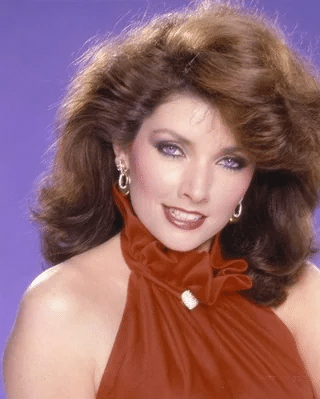
In the mid-1970s, Morgan Brittany found herself cast in roles that leaned into her resemblance to screen legend Vivien Leigh.
She portrayed Leigh in The Day of the Locust and later in Gable and Lombard. These performances required more than physical similarity—they demanded emotional nuance. Vivien Leigh was known for elegance layered with fragility. Morgan captured both.
These roles may not have dominated headlines, but they demonstrated range. She could embody glamour without becoming one-dimensional.
That distinction matters.
Throughout the 1970s, she continued building her television résumé with appearances in dramas and suspense series. Each role added depth. Each credit expanded her credibility.
Then came the part that would define her career.
Katherine Wentworth: The “Dallas” Era That Changed Everything
When Morgan Brittany joined Dallas in 1981 as Katherine Wentworth, she didn’t just land a role—she ignited a cultural moment.
Katherine was ambitious. Calculating. Sharp. And impossible to ignore.
Morgan played her with controlled intensity. She didn’t overact. She didn’t soften the edges. She leaned into the character’s complexity, creating a woman who was both formidable and fascinating.
Across more than 50 episodes, Katherine Wentworth became one of the show’s most compelling forces. Viewers tuned in not just for the drama—but to see what Katherine would do next.
Was she a villain? Or simply a woman determined to win in a ruthless world?
That lingering question is the mark of great acting. When audiences debate a character years later, you know the performance left an imprint.
Morgan Brittany became synonymous with primetime power.
Balancing Fame and Family
Behind the spotlight, Morgan built something equally meaningful.
She met stuntman Jack Gill on the set of The Dukes of Hazzard, and their connection quickly deepened. The two married and built a life centered on partnership and family.
Together, they raised two daughters, Katie and Madison. At a time when many actors chased nonstop visibility, Morgan made a deliberate choice—she scaled back when motherhood required her presence.
That decision wasn’t weakness. It was strength.
Success isn’t only measured by screen time. Sometimes it’s measured by priorities.
Later Career and Evolving Influence
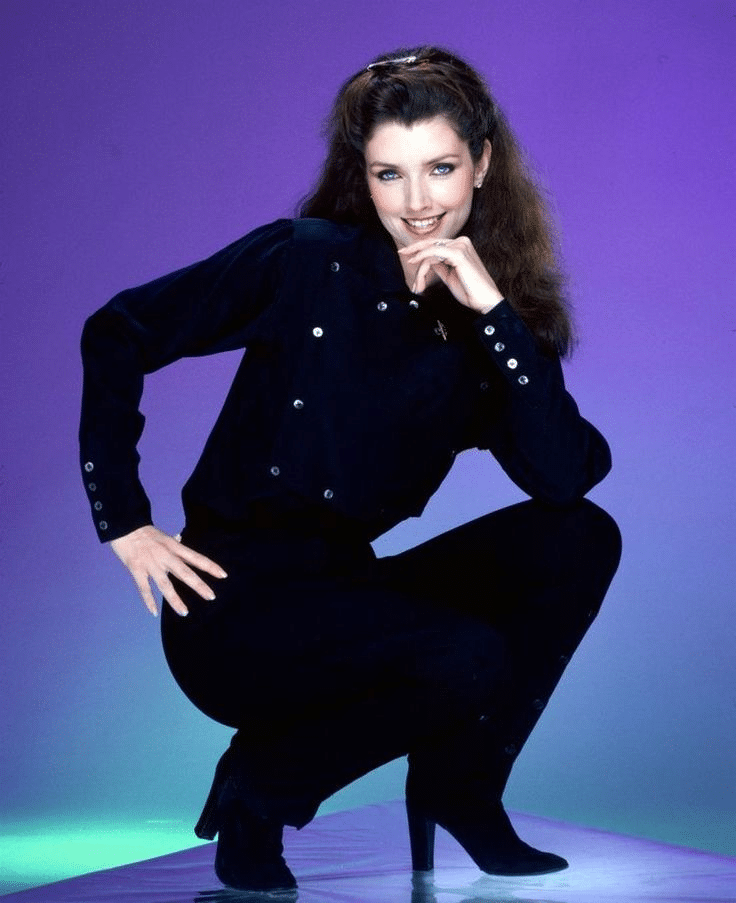
Morgan continued acting through the 1990s and 2000s, taking on diverse roles in film and television. She also expanded into voice work, demonstrating once again that adaptability fuels longevity.
But her evolution didn’t stop at performance.
In later years, she embraced writing, public speaking, and cultural commentary. She stepped into conversations about media, politics, and society with clarity and conviction.
This wasn’t reinvention for survival. It was reinvention by choice.
She had built a platform—and she chose to use it.
The Legacy of Reinvention
So what defines Morgan Brittany’s legacy?
Not just Dallas. Not just childhood fame.
It’s resilience.
It’s the willingness to change names, careers, continents—whatever it took to keep growing. It’s the courage to step back when family called. It’s the confidence to speak up later in life.
Hollywood often rewards youth. But it respects endurance.
Morgan Brittany proved that a career doesn’t have to follow a straight path. It can curve, pivot, pause, and surge forward again.
And that’s far more interesting.
Conclusion: A Career Fueled by Courage and Evolution
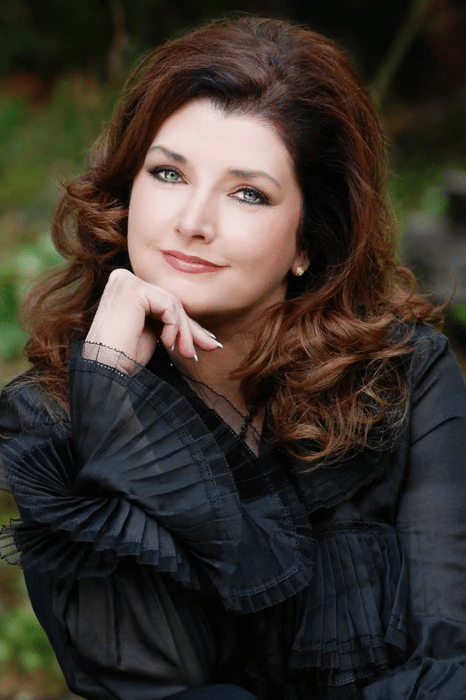
Morgan Brittany’s journey—from Suzanne Cupito, child actress in Los Angeles, to international model and unforgettable Dallas powerhouse—is a masterclass in reinvention.
She didn’t cling to one identity. She created new ones.
She navigated childhood fame, rebranded herself with purpose, conquered primetime television, built a lasting marriage, raised a family, and continued evolving long after her most famous role.
That’s not just longevity. That’s legacy.
Her story reminds us that reinvention is always possible. That growth doesn’t stop at one chapter. And that true star power isn’t about remaining the same—it’s about daring to transform.
When you think of Morgan Brittany, what comes to mind first—the child actress, the global model, or the unforgettable Katherine Wentworth?
Maybe the real answer is all of them.